Counterterrorism dramas find their tension in the decisions people make under pressure, when the intelligence is shaky, loyalties are divided, and there's little time to work out who to trust. For a faster pace, look for a modern thriller or an action-driven international investigation. For a story that takes its time, try a slow-burn manhunt. Dramas about real intelligence failures or someone trying to escape after being radicalized offer a closer look at how people end up facing those choices.
The Looming Tower
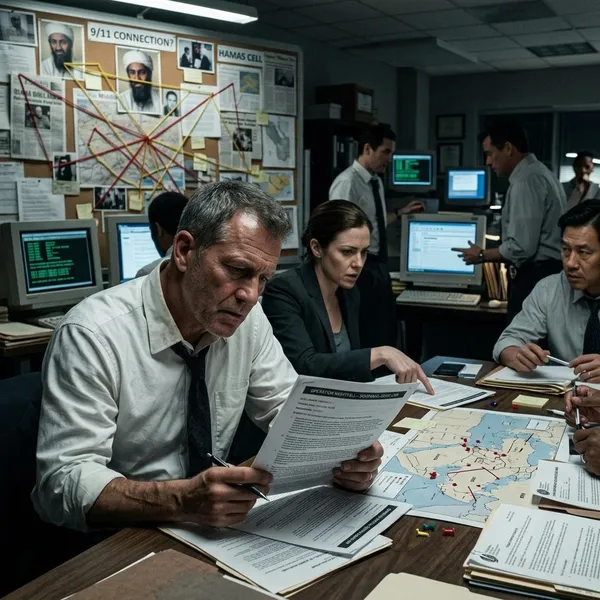
The Looming Tower is the best starting point if you want a serious, historically grounded counterterrorism drama. It is based on Lawrence Wright's nonfiction book and focuses on the years before 9/11, when warning signs existed but did not move cleanly through the institutions that needed them.
This is not the pick for viewers who mainly want shootouts or a case wrapped up every episode. Its strength is slower and more uncomfortable: it shows how rivalry, secrecy, ego, and poor coordination can make even smart investigators less effective.
Investigators track threats before 9/11
The series follows investigators working with partial clues: sources, travel patterns, surveillance, interviews, and warnings that are worrying but not always complete. That makes the suspense feel different from a standard thriller. The fear is not that nobody is trying; it is that the right pieces are not coming together fast enough.
For a viewer who likes realistic procedure, this is where the show earns its place. It makes meetings, reports, and arguments feel tense because the consequences are already visible to the audience.
Agency rivalry blocks vital intelligence
Agency rivalry is the show's sharpest point. The FBI and CIA are not shown as useless, but as institutions with cultures, habits, and turf battles that can block vital information at exactly the wrong moment.
The useful takeaway is not simply "share more." It is that counterterrorism depends on systems that make cooperation normal before a crisis, not heroic after one.
Bodyguard
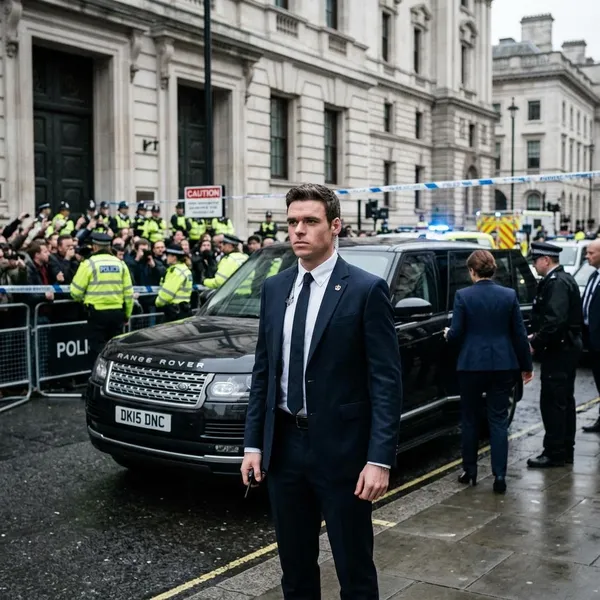
Bodyguard is the easiest recommendation if you want something tense from the first episode. It opens with a terrorist threat on a train, then turns into a story about protection work, political ambition, trauma, and whether a damaged but capable man can be trusted with power so close to him.
Choose this one when you want the pace of a modern thriller but still want a character problem underneath the plot. A viewer coming from 24 will probably adjust quickly; the difference is that Bodyguard spends more time asking whether its lead is stable enough to do the job well.
A veteran stops a terrorist attack
The opening train sequence works because it is not just about bravery. David Budd has to read the room, manage panic, and make a life-or-death call in a public space where the wrong move could hurt civilians.
- Low patience for slow starts? This is the safest first episode on the list.
- Interested in trauma and duty? Budd's military background matters long after the attack is over.
- Only want realism? Expect heightened thriller plotting, not a documentary-style investigation.
A protection job tests his loyalty
The protection assignment gives the series its real hook: Budd must guard a politician whose views may clash with his own experience and beliefs. That creates tension even in quiet scenes, because professional duty, resentment, attraction, suspicion, and trauma are all pulling in different directions.

Caliphate
Caliphate is the most unsettling choice here because it does not keep terrorism at a distance. The Swedish series moves between a security investigation and the lives of women and girls affected by extremist recruitment, control, fear, and coercion.
This is the pick to choose when you want the human cost to matter as much as the plot. It can be intense, so it is not the most casual weekend thriller, but it has a perspective many action-led terrorism stories do not bother to build.
An officer uncovers a planned attack
One thread follows an officer trying to identify and stop a planned attack with incomplete information. The tension comes from judgment: which warning is credible, which lead is too late, and which person may already be beyond reach?
That makes the investigative side feel useful rather than decorative. It gives the series momentum while leaving room for the civilian stories to show what is at stake if prevention fails.
Women fight to escape extremist control
The women's storylines are the reason Caliphate stands apart. They show control through isolation, fear, dependency, ideology, family pressure, and the shrinking of ordinary choices.
For viewers deciding between this and a more action-heavy title, the question is simple: do you want a thriller about stopping an attack, or do you also want to see how people are pulled into and trapped by extremist systems? Caliphate is stronger at the second task than most shows in the genre.
Zero Dark Thirty
Zero Dark Thirty is a film, but it belongs with these dramas because it is one of the clearest screen versions of a long intelligence manhunt. Instead of building around one urgent attack, it follows years of leads, doubts, interrogations, analysis, and pressure around the search for Osama bin Laden.
Watch this when you are in the mood for a procedural rather than a comfort thriller. It asks for more attention than a simple action movie, and its subject matter is heavy, but the slow build is exactly what makes the final stretch so tense.
Intelligence teams follow years of leads
The film's central idea is persistence. Analysts revisit names, couriers, fragments of reports, and uncertain connections until a possible path begins to form. Progress is slow enough to feel frustrating, which is part of the point.
A common mistake with this movie is expecting every scene to deliver a dramatic breakthrough. It is more rewarding if you watch how confidence is built from imperfect evidence, and how much institutional pressure sits behind every decision.
The manhunt builds toward a final raid
The final raid works because the film does not treat it as a sudden action reward. By the time it arrives, the viewer has seen enough doubt and dead ends to understand why the operation feels risky even when the target seems close.
- If you want action first: the film may feel slow until the last act.
- If you like investigative detail: the build-up is the main attraction.
- If you are sensitive to harsh material: check content warnings before watching.
The Kingdom
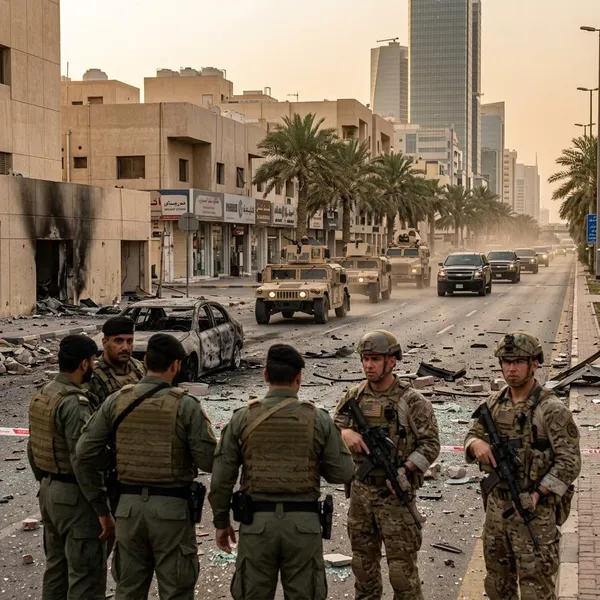
The Kingdom is the most action-forward title on this list. It begins with a deadly bombing at an American compound in Saudi Arabia, then follows FBI agents trying to investigate in a politically sensitive environment where they cannot simply take control.
Pick this one when you want a more direct thriller but still want the story to involve investigation, diplomacy, and local cooperation. It is less restrained than The Looming Tower or Zero Dark Thirty, but it is more accessible if you want momentum.
FBI agents investigate a deadly bombing
The early part of the film gives the action a procedural base. The agents look for evidence, question what happened, and push against limits placed on their access. That matters because the story is not just about retaliation; it is about trying to understand the network behind the attack.
For a casual movie night, this is probably the easiest film choice here. For viewers who want the most careful realism, it should come after the more grounded picks.
Local cooperation leads to a rescue mission
The film becomes more interesting when the American team has to rely on Saudi partners. Language, local knowledge, permission, and trust all affect what the investigators can actually do.
That cooperation eventually feeds into the rescue mission and gives the climax more purpose than a generic firefight. The practical point is clear: in international counterterror stories, outside expertise is limited without people on the ground who know the place, the politics, and the risks.
Conclusion
Start with The Looming Tower if you want the strongest mix of realism and political weight, choose Bodyguard if you want fast suspense, and save Caliphate for when you want the human cost to hit harder. Zero Dark Thirty is the best film choice for a patient manhunt, while The Kingdom works when you want a more action-driven investigation without leaving the counterterror theme behind.