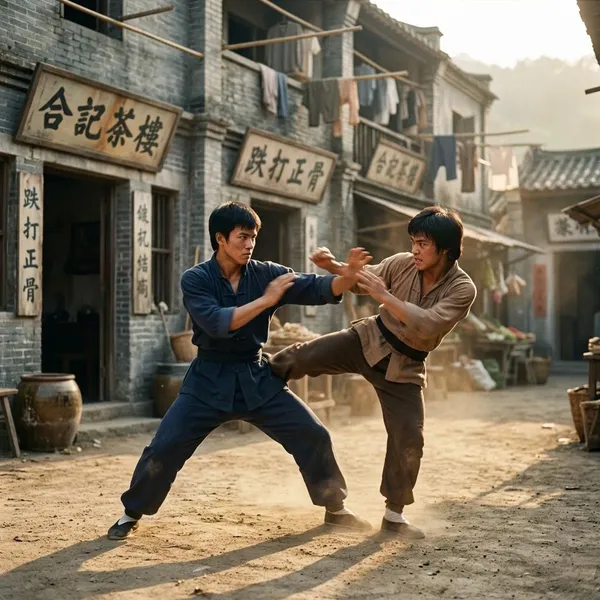
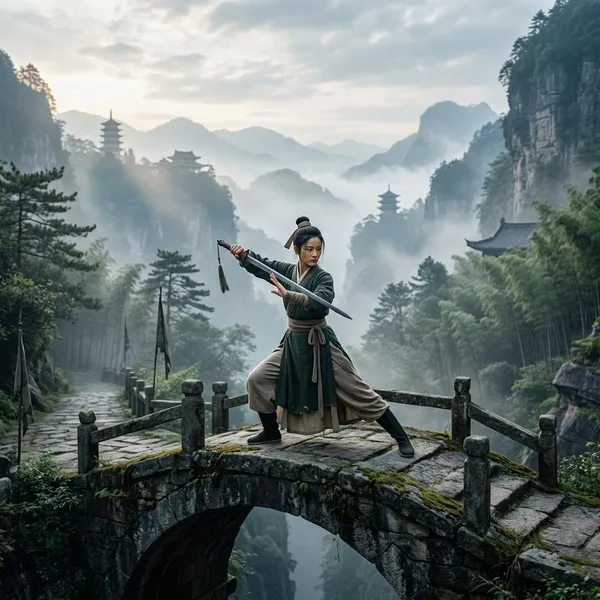
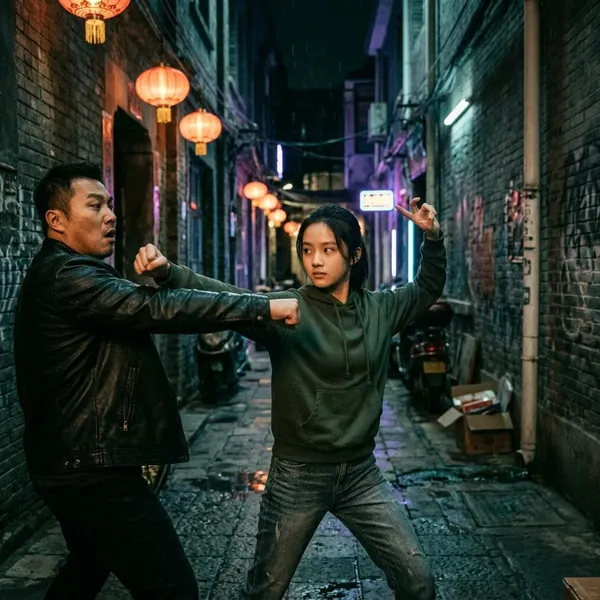
If you want a chinese martial arts drama series without committing to dozens of long episodes, martial arts shorts are usually the easiest way in. The best choice depends on what you want first: a heroine proving her clan wrong, a comic underdog pulled into martial feuds, or a serious swordsman revenge story. Check the tone before anything else, because short dramas move fast and a weak fit becomes obvious within the first few episodes.
This Girl Is a Martial Master
This Girl Is a Martial Master is the strongest pick if you want an underdog heroine, secret training, and a public moment where skill finally speaks louder than family rules. It is not the flashiest option, but it gives the fights a clear emotional reason: she is fighting to be recognized, not just to win.
A clan bans women from training
The conflict is easy to grasp from the start: the clan blocks women from formal martial instruction, so the heroine has to fight both opponents and expectation. That makes this a good watch for viewers who like martial arts stories where unfair rules matter as much as physical strength.
She studies secretly under two masters
The two-master setup keeps the training from feeling flat. One path gives her discipline and control; the other teaches her how to react when a fight stops being clean or predictable.
That matters in a short drama because there is not much time for long training arcs. When she improves, the story can point to a specific reason instead of pretending she became powerful overnight.
Tournament sabotage forces her to fight
The tournament is where the series becomes most rewarding. Sabotage pushes her into the open before the clan is ready to accept her, so every exchange has a public cost. If you like competition arcs, this is the section to judge: the drama works best when the fight choreography shows timing, restraint, and adaptation rather than simple power escalation.
A Street Scam Made Me a Martial Legend
A Street Scam Made Me a Martial Legend is the easiest recommendation for viewers who want martial arts without a heavy tragic mood. It starts from an ordinary-life situation, adds a ridiculous manual, then pulls the lead into clan conflict before he fully understands what he has stepped into.
This is the best "try it on a busy night" choice. If you only have time for a few short episodes after work, the comedy and modern setup make it easier to follow than a dense historical revenge plot.
A fake manual unlocks real power
The fake manual twist works because it plays with a classic martial arts idea: secret texts are supposed to contain rare techniques. Here, the joke becomes useful because the lead starts practicing, testing, and noticing things more experienced fighters dismiss.
The important check is whether the power growth feels earned. If the drama keeps showing trial, embarrassment, and adjustment, the comedy supports the martial arc. If it jumps too quickly to instant dominance, the premise loses some charm.
Marriage pulls a delivery driver into clan feuds
The marriage plot gives the lead a reason to stay involved when any sensible outsider would leave. It also keeps the story from becoming a random chain of fights, because clan rivalries suddenly affect his daily life, reputation, and safety.
- For romance-light viewers: the marriage setup is present, but the main engine is still martial comedy.
- For modern-drama fans: the delivery-driver angle makes the clan world easier to enter.
- For pure wuxia fans: this may feel looser and more playful than a traditional sect story.
Forgotten Tai Chi techniques defeat elite rivals
The forgotten Tai Chi angle gives the fights a clear personality. Instead of relying only on speed or brute force, the lead wins by redirecting pressure, disrupting rhythm, and letting arrogant opponents overcommit.
That makes this one a good pick if you enjoy underdog battles where the smarter fighter beats the stronger one. It is less about grand destiny and more about watching someone turn overlooked basics into an advantage.

The Lost Swordsman
The Lost Swordsman is the most traditional of the three. Choose it if you want hidden identity, old loyalty, a protected child, and a revenge arc that feels heavier than a tournament victory or comic clan feud.
It is also the one to approach with the most patience. A viewer looking for quick jokes may find it too restrained, but someone who likes slow-burn reveals and wounded heroes will probably get more from its quieter scenes.
A hidden swordsman protects an orphan
The orphan gives the swordsman a reason to stay careful. He cannot simply reveal himself and cut through every enemy, because protecting the child means choosing when to act and when to stay hidden.
This is the first thing to check if you are deciding whether to continue. If the guardian dynamic works for you, the later conspiracy and revenge plot will carry more weight.
His return exposes a deadly conspiracy
Once the swordsman is forced back into the open, the story shifts from personal survival to buried corruption. His return threatens people who benefited from silence, false loyalties, and an old cover-up.
For experienced wuxia viewers, this is where the drama should start feeling familiar in a good way: individual sword skill matters, but the real danger comes from alliances, debts, and secrets that have been protected for years.
He confronts his fallen comrade's killers
The revenge thread gives the series its emotional finish. The strongest version of this setup is not just "find the killers and punish them"; it is whether the swordsman can face the truth without becoming trapped by the past he is trying to settle.
If you prefer clean happy endings, this is the least safe pick. If you like martial dramas where justice may come with loss, it is the one most likely to stay with you after the final duel.
Where to Watch These Martial Arts Shorts
Short martial arts dramas are usually easier to watch on mobile-first drama platforms than on the same services that carry long costume epics. Before starting, check three things in this order: whether the full series is available in your region, whether English subtitles are included, and whether the episode order looks complete.
ReelShort
ReelShort is a practical place to check for short-form serialized dramas, including martial arts titles where episodes are designed around quick cliffhangers. It suits viewers who want to watch in short bursts, but it is still worth checking the full runtime before you start.
- Preview the subtitles: names, clan terms, and old grudges need clear translation.
- Check the full episode count: a "short" series can still take a few hours when watched together.
- Use official listings: unofficial uploads may cut scenes or scramble episode order.
If you are only sampling, watch the first three to five episodes and decide by tone, not just the first cliffhanger. These stories are built to hook quickly, but the better ones also show a clear conflict and a reason to care.

Conclusion
The right choice comes down to mood: pick the heroine's tournament arc for satisfying recognition, the street-scam story for a lighter underdog ride, and the lost swordsman for revenge with more emotional weight. If you are unsure, start with the first few episodes of the tone that sounds easiest to finish tonight; short martial arts dramas are at their best when they make the next duel feel worth one more tap.